Can You Get Pregnant Naturally If You Have PCOS? Discover 7 effective, doctor-explained tips, causes, symptoms, and natural ways that may improve fertility safely.
If you have recently been diagnosed with PCOS, one question may keep coming to your mind — Can You Get Pregnant Naturally If You Have PCOS?
In my analysis, the answer is often yes, but it may require patience, awareness, and consistent lifestyle habits. PCOS can affect ovulation, but it does not always stop the body from releasing eggs completely.
I have observed that many women assume pregnancy is impossible, which is not true. With better understanding of the body and small daily improvements, natural conception may still be possible over time.
Why Do You Feel Sleepy All Day? 6 Simple Reasons & Effective Fixes
Can You Get Pregnant Naturally If You Have PCOS? (Quick Answer)
Yes, you can get pregnant naturally if you have PCOS in many cases. PCOS may affect ovulation, but it does not always stop the body from releasing eggs completely. With consistent lifestyle habits, better hormonal balance, and regular ovulation tracking, natural conception may still be possible over time.
Can You Get Pregnant Naturally If You Have PCOS?Understanding the Basics
In my analysis, many people ask whether fertility is possible with PCOS, and the answer is often more hopeful than expected. Can You Get Pregnant Naturally If You Have PCOS is not a simple yes or no question, because it depends on how the body is functioning internally. PCOS may affect ovulation, but it does not always stop it completely.
The ovaries may still release eggs, although not in a regular pattern. This means that pregnancy may still be possible, but timing and consistency can play an important role. I have observed that some women may ovulate occasionally even if their cycles are irregular, which creates natural opportunities for conception.
PCOS is mainly associated with hormonal imbalance. This imbalance may interfere with the signals that control egg release. However, the body is adaptable, and with the right lifestyle support, ovulation patterns may improve over time.
Understanding your own cycle, recognizing changes in your body, and maintaining consistent habits may help improve your chances. In many cases, patience and awareness are key factors in improving natural fertility outcomes.
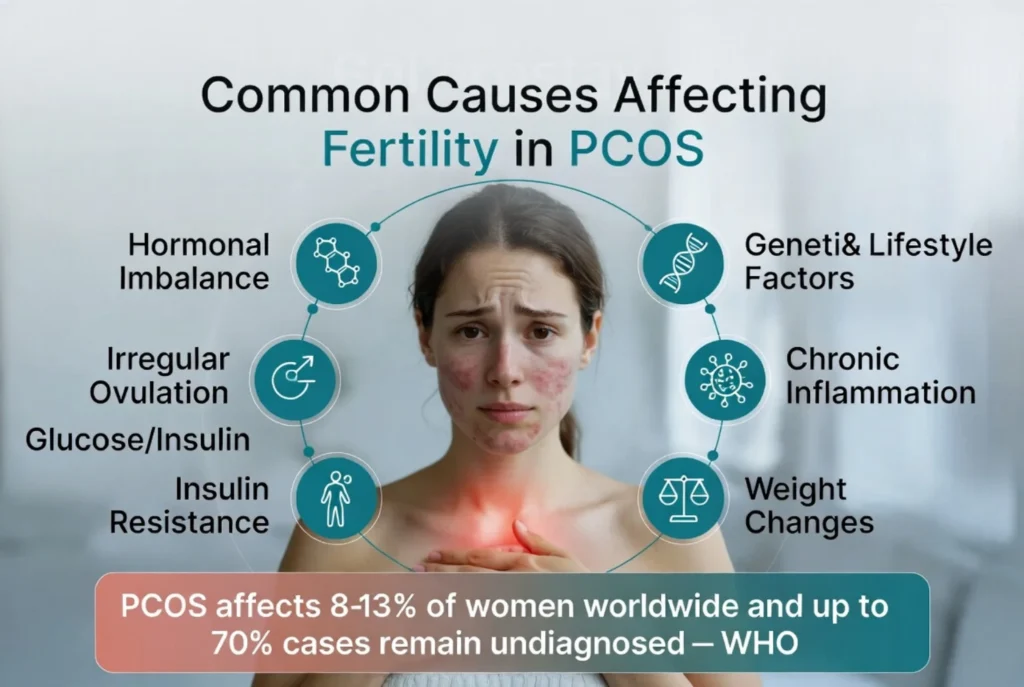
Common Causes Affecting Fertility in PCOS
Hormonal Imbalance
In my analysis, PCOS is mainly associated with hormonal imbalance. The body may produce higher levels of certain hormones, which can disturb the normal reproductive cycle. This imbalance may affect how the ovaries function and when eggs are released. Over time, this may lead to irregular cycles and reduced chances of ovulation.
Irregular Ovulation
Ovulation may not happen regularly in PCOS. I have observed that some women may skip ovulation in certain cycles. Without regular ovulation, predicting fertile days becomes difficult. This irregular pattern is one of the main reasons why conception may take longer.
Insulin Resistance
In many cases, the body may not respond well to insulin. This condition is associated with increased hormone imbalance. In my experience, insulin resistance may also lead to increased fat storage and further disrupt reproductive hormones.
Weight Changes
Weight gain or difficulty losing weight is commonly associated with PCOS. I have observed that even small weight changes may influence hormone levels. This may affect ovulation and overall fertility patterns.
Chronic Inflammation
Low-grade inflammation may be present in some individuals with PCOS. This may interfere with normal hormone signals in the body. Over time, it can affect ovarian function and egg development.
Genetic Factors
Family history may play a role in PCOS. If close relatives have similar hormonal issues, the chances may increase. This does not guarantee problems but may influence how the body responds.
Stress and Lifestyle
In my observation, stress and irregular routines may worsen symptoms. Poor sleep, high stress, and unhealthy eating habits may further disturb hormone balance and fertility.
According to the World Health Organization, PCOS affects approximately 8–13% of women of reproductive age, and nearly 70% of cases remain undiagnosed, which highlights the importance of awareness.
Medical Causes Behind PCOS and Fertility Issues
Increased Androgen Levels
These hormones are often higher in PCOS. In my analysis, they may interfere with egg development and release. Symptoms may include acne, excess facial hair, and irregular periods.
Irregular Menstrual Cycle
Cycles may become unpredictable or prolonged. I have observed that this makes it difficult to track ovulation accurately. Without regular cycles, conception timing becomes uncertain.
Ovarian Changes
The ovaries may develop multiple small follicles that do not mature properly. This condition may prevent eggs from being released at the right time.
Insulin Resistance
This condition is strongly associated with PCOS. In my experience, it may worsen hormonal imbalance and reduce ovulation frequency. It may also contribute to fatigue and weight gain.
Thyroid Imbalance
Thyroid hormones may influence reproductive health. When thyroid levels are not balanced, it may affect menstrual cycles and fertility patterns.
Sleep Disturbances
Poor sleep quality may affect hormone regulation. I have observed that irregular sleep patterns may disturb the body’s internal clock and reproductive hormones.
Stress Hormone Imbalance
Chronic stress may affect hormone signaling. This may interfere with ovulation and overall reproductive health.
The World Health Organization also notes that hormonal disorders like PCOS are a leading cause of ovulatory infertility worldwide.
When to Worry : PCOS Warning Signs
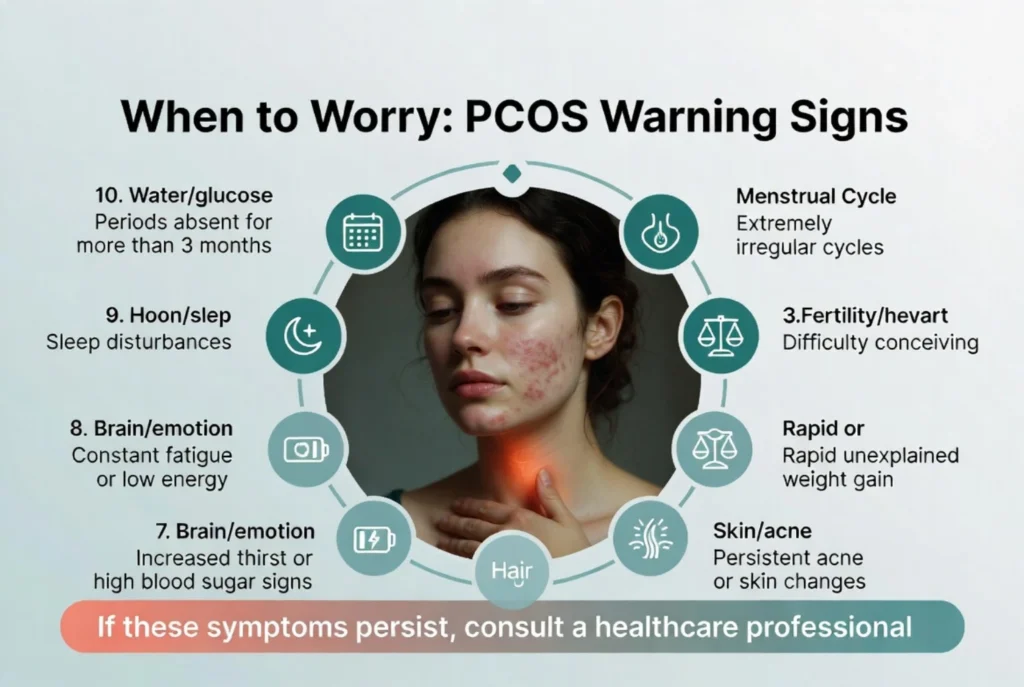
In my experience, occasional irregularity is common, but these signs may need attention:
- Periods absent for more than 3 months
- Extremely irregular menstrual cycles
- Difficulty conceiving after long attempts
- Rapid or unexplained weight gain
- Persistent acne or skin changes
- Excess facial or body hair growth
- Severe mood swings
- Constant fatigue or low energy
- Sleep disturbances for long duration
- Signs of high blood sugar like increased thirst
If these symptoms persist, it may be helpful to consult a healthcare professional for proper evaluation.
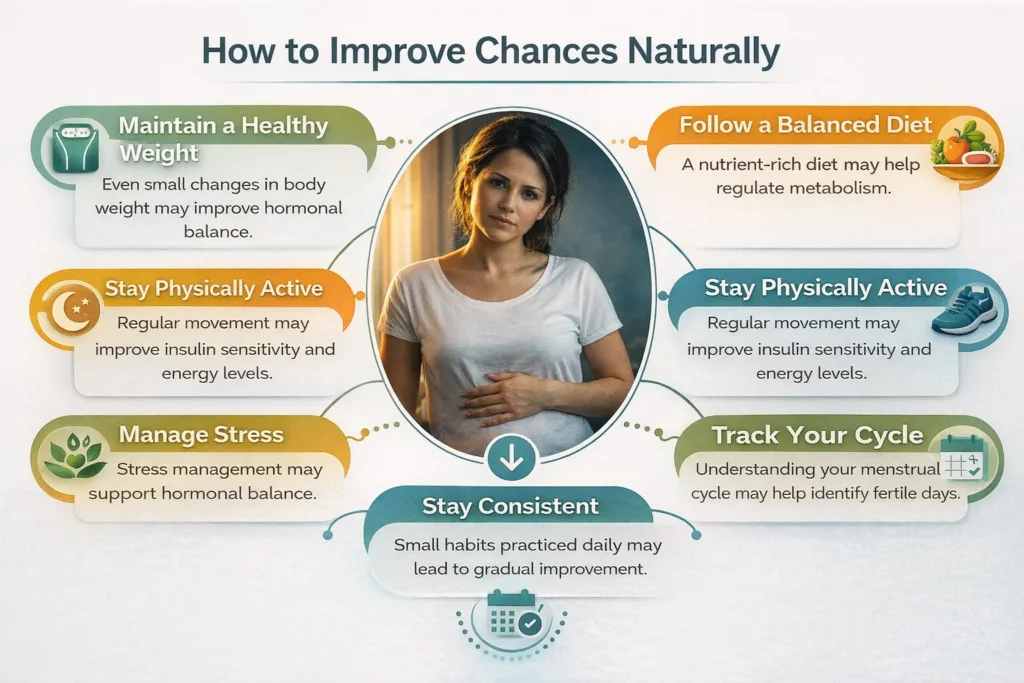
How to Improve Chances Naturally
Maintain a Healthy Weight
In my analysis, even small changes in body weight may improve hormonal balance. Maintaining a stable weight may support better ovulation patterns.
Follow a Balanced Diet
A nutrient-rich diet may help regulate metabolism. I have observed that whole foods, fiber, and protein may support hormone stability.
Stay Physically Active
Regular movement may improve insulin sensitivity and energy levels. Even simple activities like walking may be beneficial.
Track Your Cycle
Understanding your menstrual cycle may help identify possible ovulation windows. This may increase awareness about fertile days.
Manage Stress
Stress management may support hormonal balance. In my experience, relaxation techniques may help improve overall well-being.
Improve Sleep Quality
Consistent sleep patterns may regulate the body’s internal clock. Good sleep may support hormone function.
Stay Consistent
I have observed that long-term consistency often gives better results than short-term efforts. Small habits practiced daily may lead to gradual improvement.
What Medical Options Are Available Worldwide
In my observation, several medical approaches are available globally for PCOS management:
- Hormonal regulation approaches
- Ovulation support techniques
- Assisted reproductive technologies such as IVF
- Regular monitoring of ovulation patterns
- Lifestyle and metabolic health programs
The World Health Organization emphasizes that early diagnosis and access to reproductive healthcare may improve outcomes for women with PCOS.
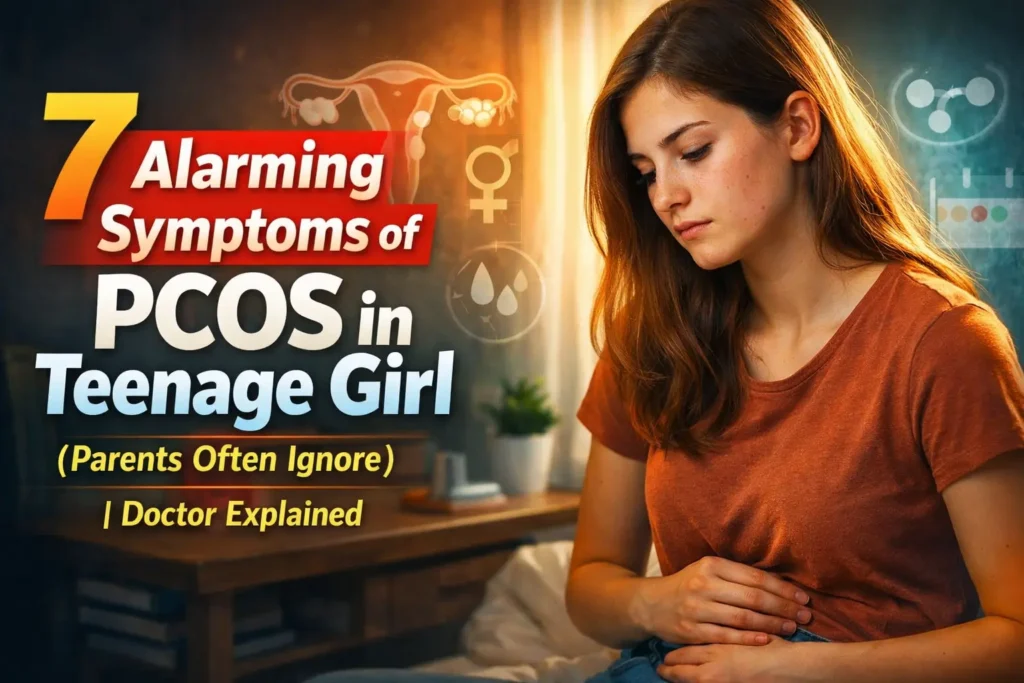
Early Signs of PCOS You Should Not Ignore
In my analysis, recognizing early symptoms is very important, especially if you are wondering Can You Get Pregnant Naturally If You Have PCOS. Early detection may help improve overall reproductive health over time.
Many signs of PCOS may appear gradually and are often ignored in the beginning.
Common Early Signs of PCOS
- Irregular Periods
Periods may come late, skip months, or be unpredictable. This is often one of the earliest signs. - Acne and Oily Skin
I have observed that persistent acne, especially along the jawline, may be linked to hormonal imbalance. - Excess Hair Growth
Some women may notice unwanted hair on the face, chest, or abdomen. - Weight Gain or Difficulty Losing Weight
Even small weight changes may be associated with hormonal imbalance. - Hair Thinning or Hair Fall
Hair may become thinner over time, especially near the scalp. - Dark Patches on Skin
Areas like the neck or underarms may appear darker, which can be associated with insulin resistance.
In my experience, these signs do not always mean severe disease, but they may indicate hormonal imbalance that needs attention.
FAQ Section
Can You Get Pregnant Naturally If You Have PCOS?
Yes, many women can get pregnant naturally if they have PCOS, although it may take longer due to irregular ovulation.
Does PCOS Always Cause Infertility?
No, PCOS is associated with fertility challenges but does not always lead to infertility.
How Long Does It Take to Conceive with PCOS?
It varies. Some women may conceive within months, while others may take longer depending on their health and lifestyle.
Can Lifestyle Changes Help?
In my analysis, healthy habits like balanced diet, exercise, and sleep may support fertility over time.
Is Irregular Period a Major Concern?
Irregular periods are commonly associated with PCOS and may affect ovulation timing, but they can often be managed.
Final Read
So, Can You Get Pregnant Naturally If You Have PCOS? In many cases, the answer is yes. PCOS may make the process slower, but it does not make pregnancy impossible.
In my analysis, understanding your body, maintaining healthy habits, and staying consistent may improve your chances over time. Every individual is different, and gradual progress often leads to better outcomes.
This article is for educational purposes only and does not replace professional medical advice.
REFERENCE SOURCES
- World Health Organization (WHO)
🔗 https://www.who.int/news-room/fact-sheets/detail/polycystic-ovary-syndrome�
PCOS statistics, global prevalence
According to the World Health Organization, PCOS affects a significant percentage of women worldwide. - Centers for Disease Control and Prevention (CDC)
🔗 https://www.cdc.gov/diabetes/basics/pcos.html�
causes, insulin resistance, lifestyle impact
The CDC highlights that PCOS is often associated with insulin resistance and hormonal imbalance. - Mayo Clinic
🔗 https://www.mayoclinic.org/diseases-conditions/pcos/symptoms-causes/syc-20353439�