Have you ever noticed someone who is close to you becoming unusually quiet, easily irritated, or withdrawn for weeks or months at a time? Or maybe you have felt “not quite yourself” — struggling with sleep, lack of concentration, losing interest in things you once enjoyed, or feeling emotionally overwhelmed without any clear reasons.
Many of you experience emotional ups and downs. Stress, lack of sleep and concentration, work pressure, and life changes can affect your mood and behavior. But sometimes, your subtle shifts may represent early warning signs of mental illness. Recognizing these early warning signs changes can make a meaningful difference in your understanding what is happening and seeking support at the right time.
This article explains the early warning signs of mental illness in simple, clear language. It focuses on education and awareness so that you and your loving ones can better understand changes in thoughts, emotions, and behavior.
What Is Happening Inside the Body?
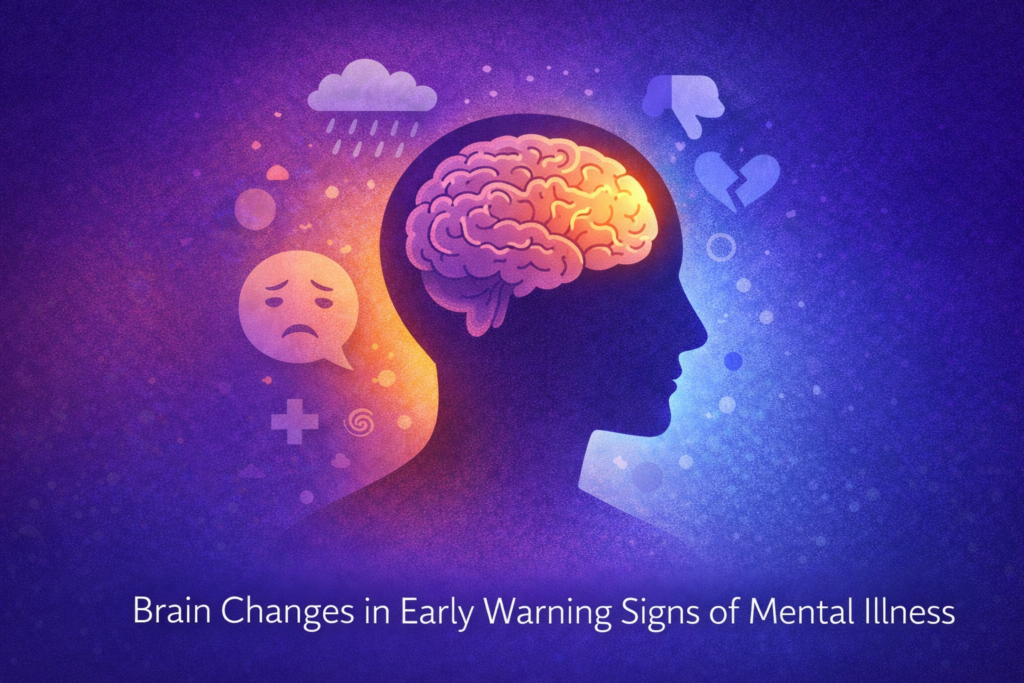
Mental health is closely connected to how your brain functions. your brain communicates using chemical messengers called neurotransmitters. These chemicals help regulate your mood, sleep, thinking, motivation, and emotional responses.
When your mental health conditions begin to develop, changes may occur in:
- Brain chemistry balance
- Stress hormone levels (such as cortisol)
- Sleep-wake cycles
- Emotional processing centers
- Thinking and concentration patterns
These changes are often gradual. They may not feel dramatic at first. Instead, a person might simply feel “different,” tired, disconnected, or emotionally sensitive.
Mental illness does not mean weakness or personal failure. It is often associated with a complex interaction of biological, psychological, and environmental factors.
Common Causes and Risk Factors
Mental health conditions usually do not have one single cause. They are often linked to multiple factors working together.
Some common contributing factors include:
- Ongoing stress or major life changes
- Family history of mental health conditions
- Trauma or adverse childhood experiences
- Chronic physical illness
- Substance use
- Sleep deprivation
- Social isolation
- Hormonal changes
Having one or more of these factors does not mean you will develop a mental illness. It simply increases vulnerability in some cases.
When Emotional Changes Are Usually Harmless
It is normal to experience:
- Temporary sadness after a loss
- Anxiety before an exam or presentation or an interview
- Mood swings during hormonal shifts like during mensuration period
- Fatigue during busy periods
- Irritability when sleep deprived
These feelings often improve once when your stressful situation passes or rest is restored.
The concern arises when symptoms:
- Last for several weeks
- Become more intense over time
- Interfere with daily functioning
- Affect work, relationships, or personal care
Understanding the difference between normal emotional reactions and persistent changes is key.
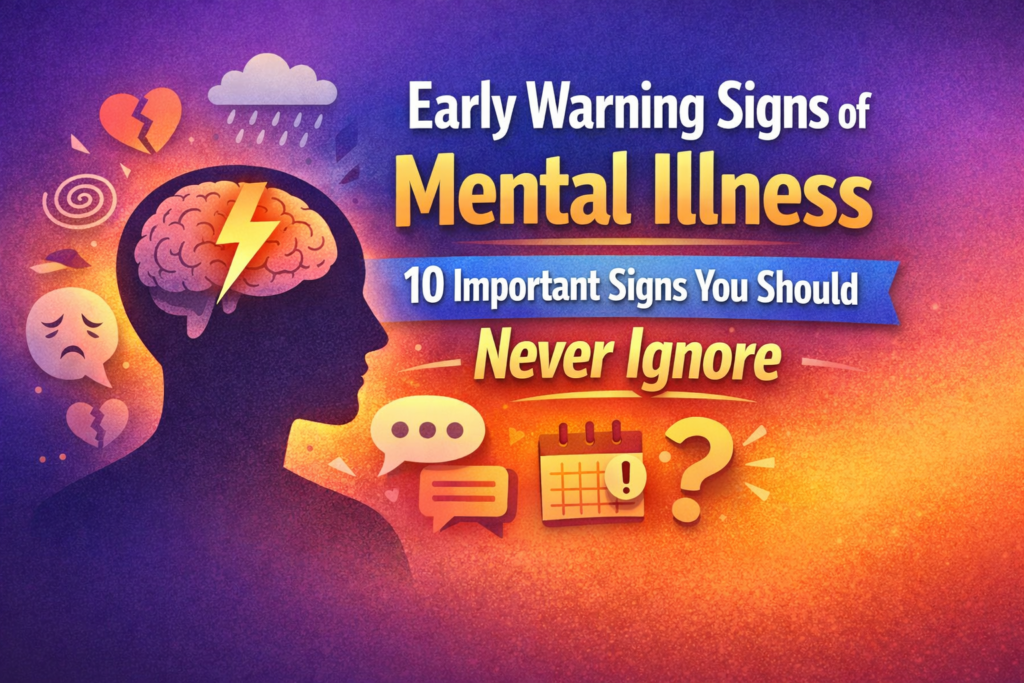
10 Early Warning Signs of Mental Illness You Should Not Ignore

Below are 10 early warning signs of mental illness that may signal the need for closer attention.
1. Persistent Sadness or Low Mood
Feeling down occasionally is normal. However, ongoing sadness lasting several weeks may indicate a deeper issue.
A person may:
- Feel empty or hopeless
- Cry frequently without clear reason
- Lose interest in daily activities
- Struggle to feel joy
Persistent low mood is often associated with early stages of mood-related conditions.
2. Withdrawal From Friends and Family
One of the most common early warning signs of mental illness is social withdrawal.
Someone who was previously social may begin to:
- Avoid or fears gatherings
- Stop answering calls or messages
- Isolate themselves at home
- Show little interest in conversations
Isolation may reflect emotional exhaustion, anxiety, or internal distress.
3. Extreme Mood Changes
Rapid or intense mood swings can sometimes signal underlying mental health changes.
Examples include:
- Periods of unusually high energy followed by deep sadness
- Irritability that feels out of proportion
- Sudden anger or emotional outbursts
- Feeling overly confident or impulsive
These shifts may feel confusing to both the individual and loved ones.
4. Changes in Sleep Patterns
Sleep and mental health are closely connected.
Warning signs may include:
- Difficulty falling asleep
- Waking frequently at night
- Sleeping excessively
- Feeling unrested despite adequate sleep
Persistent sleep disturbances can affect emotional regulation and cognitive function.
5. Noticeable Changes in Appetite or Weight
Mental health changes may influence appetite.
A person may:
- Eat significantly more or less than usual
- Experience sudden weight changes
- Lose interest in meals
- Use food for emotional comfort
Appetite shifts can reflect stress hormone changes and mood disturbances.
6. Difficulty Concentrating or Making Decisions
Cognitive symptoms are often overlooked early warning signs of mental illness.
People may notice:
- Trouble focusing at work or school
- Forgetfulness
- Slower thinking
- Difficulty completing simple tasks
These changes may be associated with stress overload or mood changes.
7. Increased Anxiety or Excessive Worry
Occasional worry is normal. However, persistent anxiety may feel overwhelming.
Warning signs include that can not be ignored:
- Constant sense of tension
- Restlessness
- Racing thoughts
- Feeling on edge most of the time
- Physical symptoms like rapid heartbeat or sweating
Anxiety may interfere with daily activities and decision-making.
8. Loss of Interest in Activities Once Enjoyed
When hobbies, social events, or favorite activities no longer feel enjoyable, it may signal emotional changes.
This loss of interest may:
- Develop gradually
- Be accompanied by low motivation
- Feel like emotional numbness
This symptom is commonly associated with mood-related conditions.
9. Unusual Thoughts or Perceptions
Sometimes, early warning signs of mental illness may include subtle changes in thinking.
These may include:
- Suspicious thoughts without any clear reason
- Feeling disconnected from reality
- Hearing or seeing things others do not
- Strong beliefs not based on evidence
These symptoms require careful evaluation if they persist or intensify.
10. Feeling Overwhelmed or Hopeless
When everyday responsibilities feel unmanageable, it may signal emotional strain.
A person may feel:
- Unable to cope with minor stress
- Constantly exhausted mentally
- Hopeless about the future
- Trapped or helpless
Hopelessness that lasts for weeks should not be ignored.
When Early Warning Signs of Mental Illness Need Medical Attention
It may be important for you to seek medical professional evaluation if:
- Symptoms last more than two to four weeks
- Daily functioning becomes difficult
- There are major personality changes
- School or work performance declines significantly
- There are thoughts of self-harm or harming others
Early professional medical assessment often provides clarity and support.
If you or someone expresses thoughts of self-harm, immediate help from emergency services or crisis support resources may be necessary.
Prevention and Healthy Habits That Support Mental Well-Being
While not all mental illnesses can be prevented, certain lifestyle habits may support overall emotional health.
Maintain Regular Sleep cycle
- Aim for consistent sleep schedules
- Avoid screens before bedtime
- Create a calm sleep environment
Stay Physically Active
Regular movement may help you regulate stress hormones that can improve your mood.
Build Social Connections
- Maintain supportive friendships
- Share feelings with trusted individuals
- Avoid prolonged isolation
Practice Stress Management
- Deep breathing exercises
- Journaling
- Mindfulness practices
- Taking breaks when overwhelmed
Balanced Nutrition
Eating regular, balanced meals may help stabilize energy levels and mood.
Limit Substance Use
Excessive alcohol or recreational substances may worsen your emotional instability.
Healthy habits do not replace medical care but can support your emotional resilience.
Frequently Asked Questions
1. Are early warning signs of mental illness always obvious?
No. Early changes are often subtle. They may appear as mild mood shifts, changes in sleep, or slight withdrawal before becoming more noticeable.
2. Can stress alone cause these symptoms?
Stress can contribute to many emotional symptoms. However, when symptoms persist beyond stressful events or intensify, medical evaluation may be helpful.
3. Is mental illness caused by weak personality?
No. Mental health conditions are associated with brain chemistry, genetics, and environmental factors. They are not a sign of weakness.
4. When should someone talk to a doctor?
If symptoms last several weeks, interfere with daily life, or cause safety concerns, speaking with a healthcare professional may provide guidance.
Conclusion
Recognizing the early warning signs of mental illness can help you and your families respond with understanding rather than fear. Emotional changes that persist, worsen, or interfere with your daily life deserve attention.
Mental health is part of overall health. Just as we seek help for physical symptoms, emotional symptoms also deserve care and compassion. Early awareness can open the door to support, reassurance, and improved well-being.
This article is for educational purposes only and does not replace professional medical advice.
Female Orgasm Secrets: 90% females don’t understand this